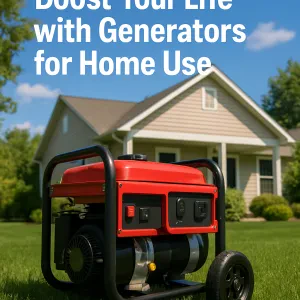
When diving into your generator buying guide, it's super important to understand the different types of generators out there. Each one serves a specific purpose, so knowing which one fits your needs can save you a lot of headaches down the line.
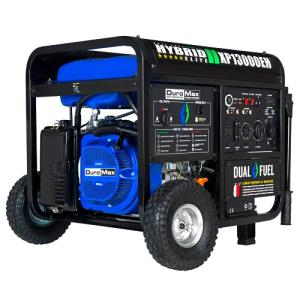
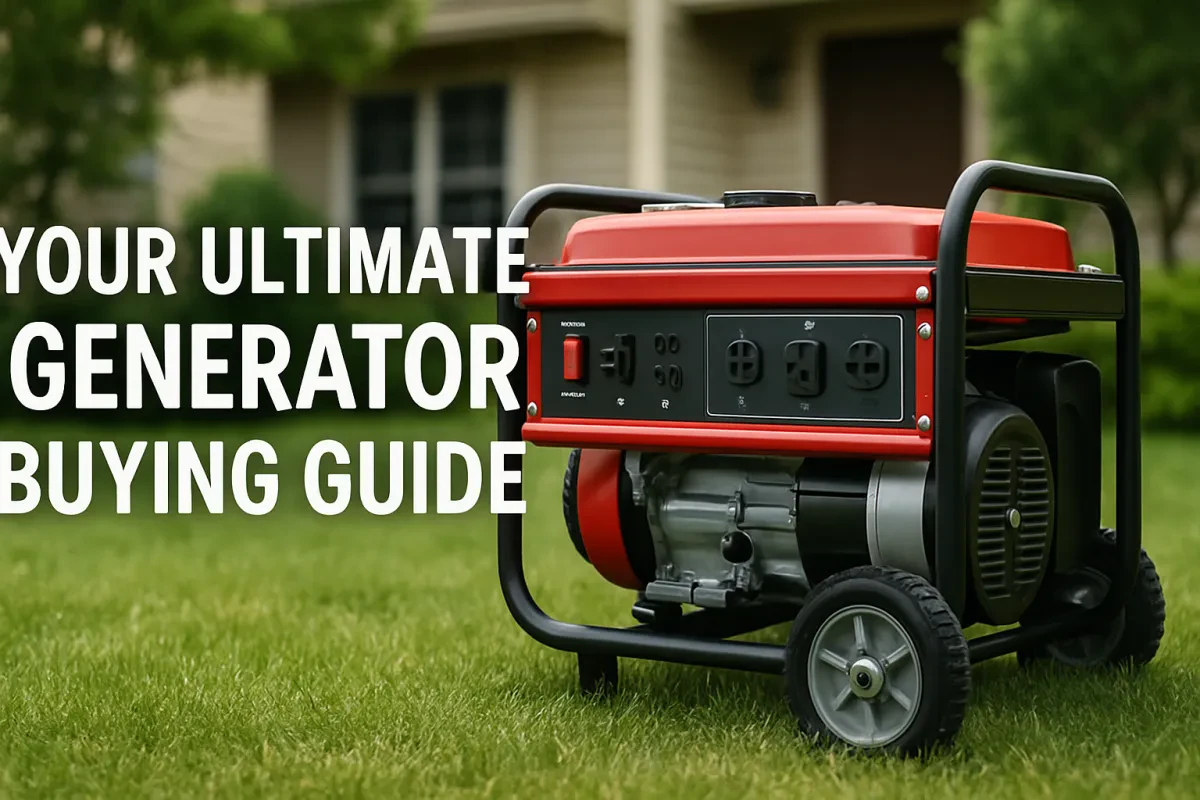
Portable Generators: These are the go-to choice for many people. They're versatile, easy to transport, and perfect for camping trips or emergency backup power at home. If you just need to power a few essential appliances during an outage, a portable generator will do the trick without breaking the bank.
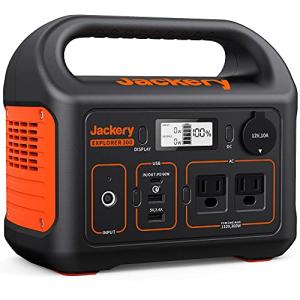
Inverter Generators: If you want something quieter and more efficient, inverter generators might be your best bet. They provide clean energy, making them ideal for sensitive electronics like laptops and phones. Plus, they’re lightweight and great for outdoor activities. Just make sure to check the wattage if you plan to run multiple devices.
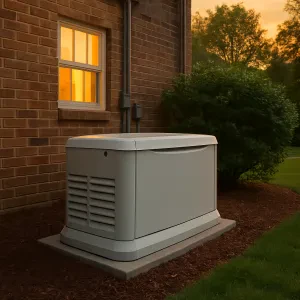
Standby Generators: For those who want whole-home power when the grid goes down, standby generators are the way to go. They're permanently installed and kick on automatically when there's an outage. While they’re more of an investment, the peace of mind is worth it, especially if you live in an area prone to blackouts.
Each type of generator has its strengths, and your choice will depend on what you need it for. Keep this in mind as you sift through your generator buying guide to find the perfect match for your needs.
Power Needs Made Clear
Understanding your power needs is the first step in choosing the right generator for your situation. When you’re looking at options, think about what you’ll be powering. Do you need a generator for home backup during outages, or are you planning to take it on camping trips? Knowing your needs will help narrow down your choices in this generator buying guide.
Start by making a list of the appliances and devices you want to run. Check their wattage requirements. This can usually be found on a label or in the user manual. Here’s a quick breakdown of common items and their wattage:
Once you have a list, add up the total wattage for everything you plan to run at the same time. This number will help you decide on the generator size. Remember, you might need some extra wattage for starting up certain appliances, especially those with motors. So, factor that in when selecting your generator.
Lastly, think about how long you need it to run. Is it for a few hours, a whole weekend, or longer? This can influence the fuel type you should consider—gasoline, propane, or diesel. Each has its pros and cons, so weigh them carefully in your generator buying guide. With this knowledge in hand, you'll be well-prepared to find the generator that fits your lifestyle perfectly.
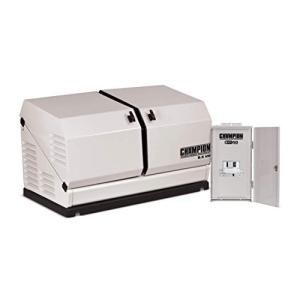
Champion 8.5-kW Home Standby Generator with Transfer Switch
Power your home seamlessly during outages with reliable performance that kicks in automatically when you need it most
Product information
CA$4,821.74
Product Review Score
4.14 out of 5 stars
64 reviewsProduct links
Key Features to Consider
When you're diving into the world of generators, there are a few key features to keep in mind. This generator buying guide will help you narrow down your options and make the right choice for your needs.
Power Output: Start by thinking about how much power you'll need. Generators come with different wattage ratings. If you're powering a few small appliances, you might need a portable generator with 2,000-3,000 watts. But for your whole house during an outage, look for a model with at least 5,000-7,000 watts.
Fuel Type: Generators run on various fuel types like gasoline, propane, or diesel. Gasoline is easy to find and generally more affordable, but it can be hard to store safely. Propane is cleaner and has a longer shelf life. Know what’s best for your situation and make sure you choose accordingly.
Noise Level: Noise can be a big factor, especially if you’re using the generator in a residential area. Some models are designed to operate quietly. If you want a peaceful outdoor experience or need it for a camping trip, check the decibel ratings. Lower noise levels mean a happier you and your neighbors.
Portability: Think about where you’ll be using the generator. If you need to move it around easily, go for a lightweight model with wheeled bases and grab handles. But if you want a stationary unit for home use, a larger generator might be your best bet. Your lifestyle will dictate the kind of portability you need, so weigh that in this generator buying guide.
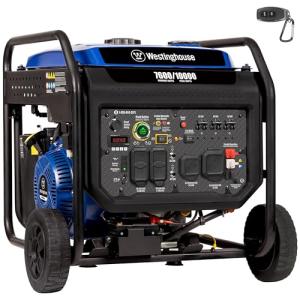
Westinghouse 10,000W Portable Inverter Generator with Remote Start
Experience reliable power on the go with this portable inverter generator, perfect for camping, tailgating, or home backup
Product information
CA$1,583.36
Product Review Score
4.67 out of 5 stars
33 reviewsProduct links
Top Brands Worth Your Time
When diving into your generator buying guide, it's crucial to know which brands really stand out. There are a few names that consistently pop up for good reason. They offer durability, efficiency, and customer-friendly features that make them a breeze to use.
First off, Honda is a heavyweight in the generator world. Known for their quiet operation and fuel efficiency, Honda generators are perfect if you want reliability without the noise. Their models are great for camping or powering your home during an outage.
Next on the list is Westinghouse. They provide solid options that don’t break the bank. Westinghouse generators are easy to start and come with great safety features. Plus, they’re versatile enough for home use or outdoor activities.
If you’re looking for something rugged, check out Champion. These generators are built to handle tough conditions and are incredibly user-friendly. Whether you're using it for work or play, Champion generators won’t let you down. They also offer plenty of power options to suit different needs.
Lastly, Generac deserves a mention for their standout home backup systems. If you want peace of mind during storms and outages, a Generac generator will keep your essentials running. It's a solid investment for any homeowner.